
Space as Myth In Wagner’s Gesamtkunstwerk
“(…) By nature we understand the endless interconnectedness of things, the uninterrupted emergence and disappearance of forms, the fluid unity of becoming as expressed in the continuity of spatial and temporal existence. When we designate a reality as nature, we are referring to an internal quality that distinguishes it from art and the artificial, as well as from the ideal and the historical, and we also imply that this reality may represent or symbolize the totality of nature, whose flowing we hear whispering within it.”
— Georg Simmel, Philosophy of Landscape, Casimiro Ediciones. Madrid, 2013, p. 8.
“Public Greek art was truly art; ours is an artistic craft.”
— Art and Revolution, pos. 310, Kindle.
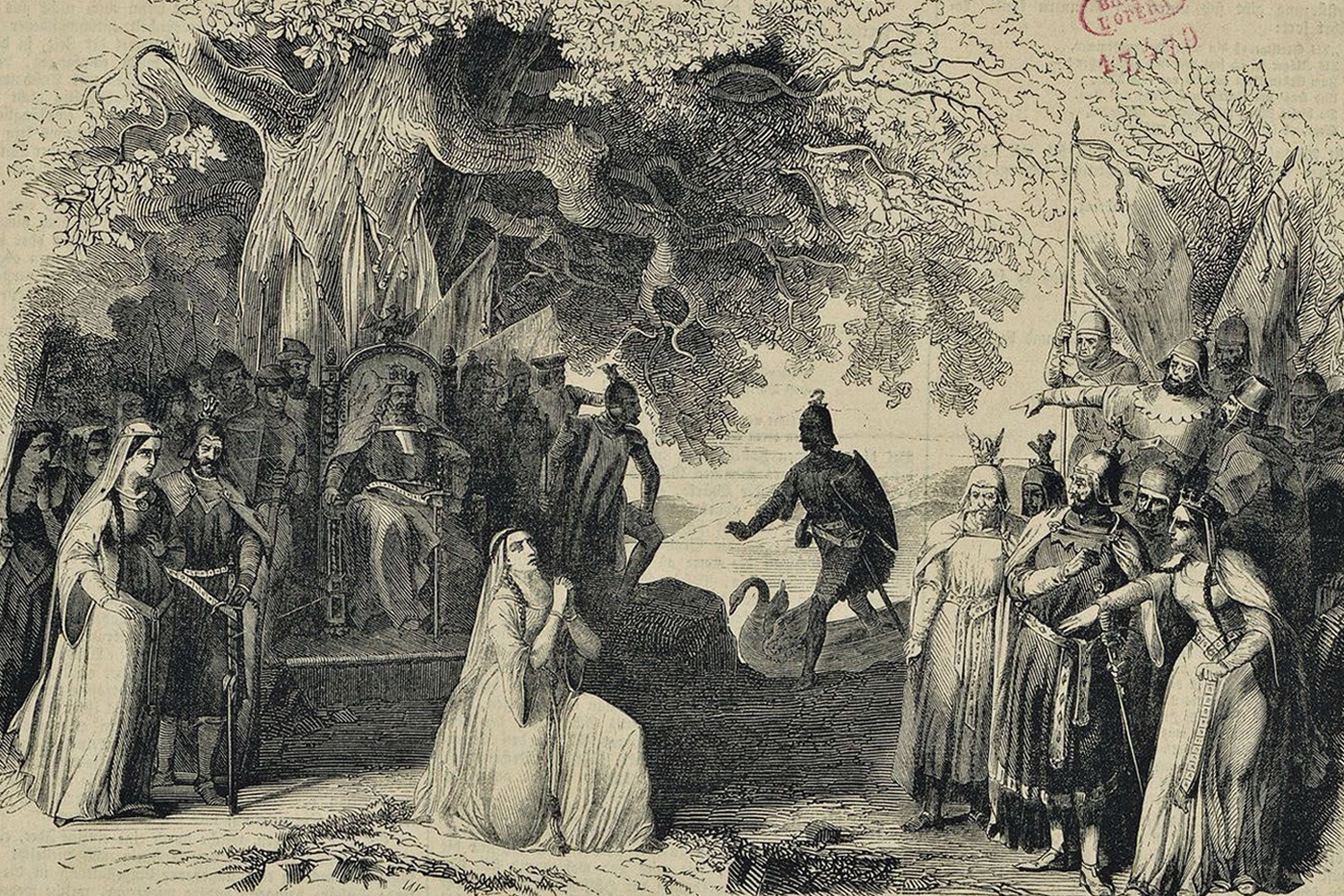
The aim of this paper is to analyze the relationship between the concept of the Gesamtkunstwerk developed by Wagner and his theatrical practice. The study examines examples of nineteenth-century stage design and their subsequent developments, as well as the ideas and aesthetic frameworks surrounding Romanticism in relation to historical painting and landscape painting.
The analysis focuses on texts written by Wagner during his exile in Switzerland, particularly his references to the representation of the Myth of Nature as one of the essential components of his scenic project. These ideas are examined in dialogue with Jean-Luc Nancy’s perspective on the construction of an artificial community. The paper therefore identifies the influences of Wagner’s historical context on his systems of production and explores how these influences shaped twentieth-century theories of scenography.
construcción de una comunidad artificial. Se señalarán entonces las influencias de su época en sus sistemas de producción y como éstas condicionaron la teoría escenográfica del Siglo XX.
