
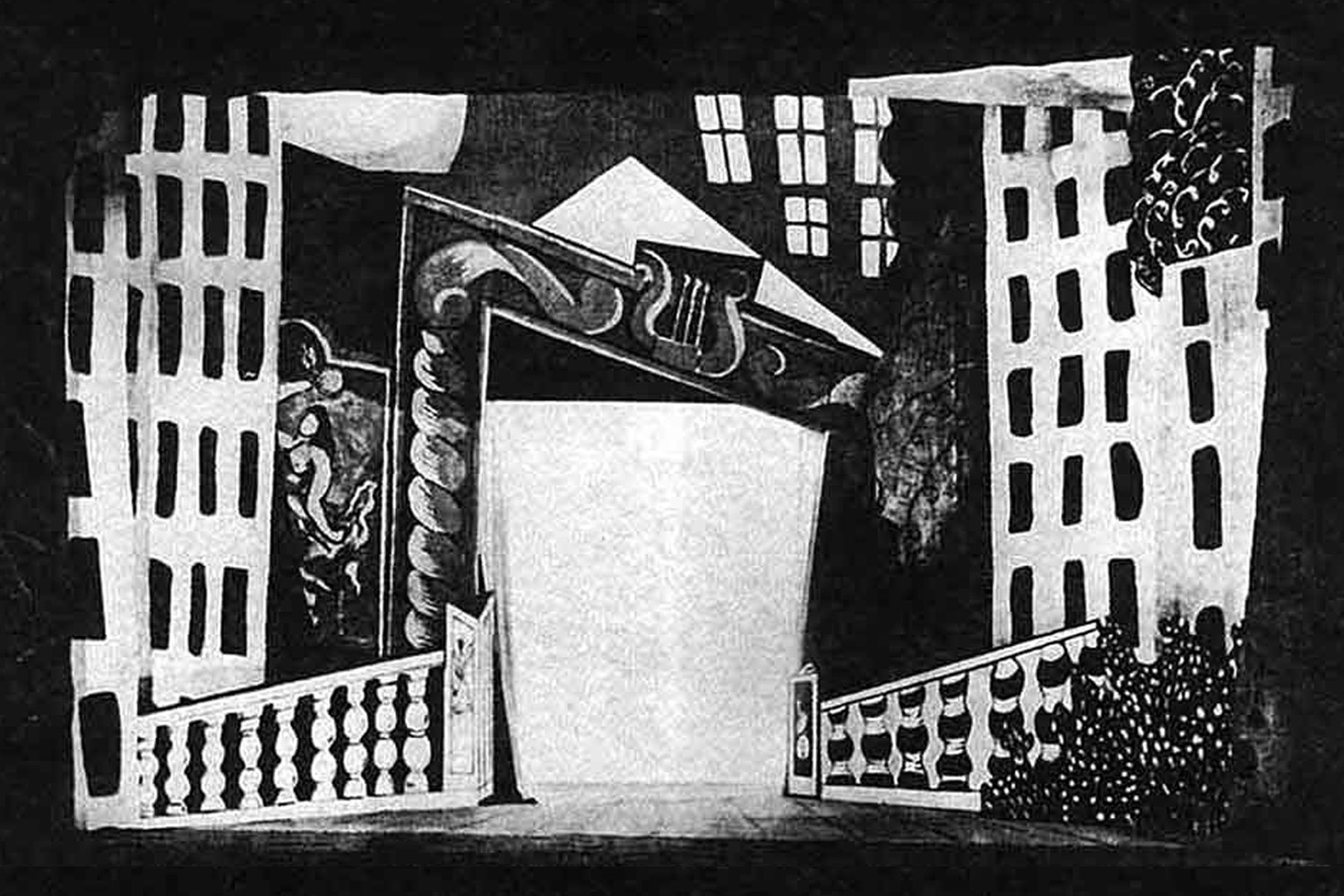
Independent Theater and the Visual Arts
The Vanguard Disjunction: When Visual Forms Moved Away from Theater
The Independent Theater as a scenic and symbolic production, represents a cultural icon of great prestige within the performing arts. Its origin and development will modify the forms of theater production, achieving an identity that will last until today. The objective of this work is to focus the analysis on the visual aesthetics chosen by this theater, in the form of scenery or lights, to discover particular aspects, objective choices, professional performance, influences and legacy.
We will analyze the period from the 1930s to the end of the 1940s, where the emergence and consolidation of this theatrical production model can be seen.
The plastic arts, the national productions, the theoretical disputes, intersect in the territories of Boedo and Florida, in multiple planes of discussion. Among the axes in which this work will be articulated, we can mention: Independent practice, introduction to Argentine scenery, painting as scenery, the idea of the spectator and the avant-garde.
